Modelling Fitness for Your Children
Children are keen observers, learning more from what we do than what we say. This principle is especially true when it comes to health and fitness. As a parent, your relationship with exercise profoundly shapes your child's developing perspective on physical activity. They absorb your attitudes, habits, and even your language surrounding fitness. By consciously modelling a positive and balanced approach to exercise, you are giving them a foundational gift for a lifetime of wellbeing. This isn't about training a future athlete, but about nurturing a future adult who sees movement as a natural, enjoyable, and essential part of life.
The power of observation in childhood
From a very young age, children watch their parents and mirror their behaviours. When they see you prioritise physical activity, they internalise the message that it is important. If you treat exercise as a chore you dread, they are likely to adopt a similar mindset. Conversely, if they see you enjoying a weekend bike ride, heading out for a run with a smile, or stretching in the living room, they learn that movement is a source of pleasure and vitality. This observational learning is powerful because it bypasses lectures and rules, embedding the value of an active lifestyle directly into their understanding of what it means to be a grown-up.
Making fitness a family affair
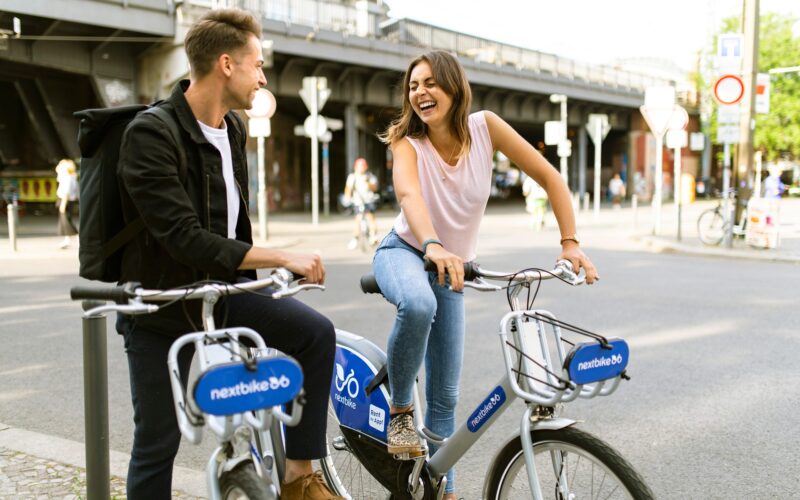
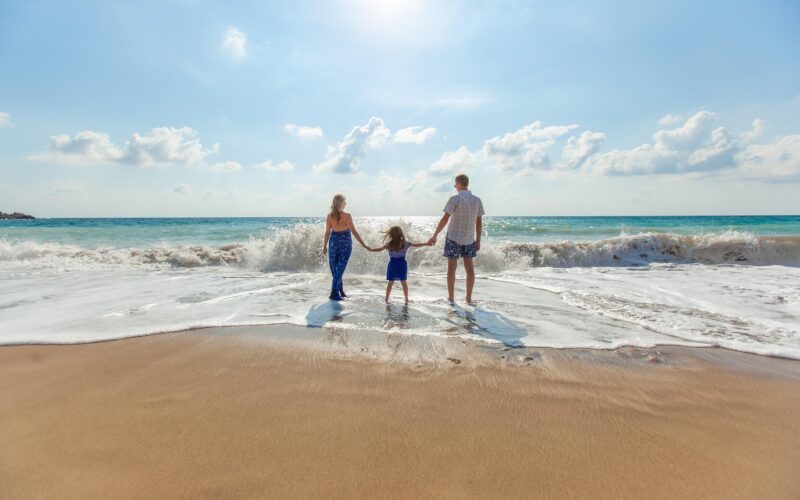
One of the most effective ways to model healthy habits is to integrate them into your family routine. Instead of viewing exercise as something you do alone, look for opportunities to be active together. This could be as simple as a regular evening walk after dinner, a weekend hike in a local park, or playing games like tag or football in the garden. When fitness becomes a shared family experience, it transforms from an obligation into a fun bonding activity. These shared moments create positive associations with being active, fostering a sense of connection and joy that children will carry with them.
Use positive and inclusive language
The words you use to talk about exercise matter immensely. Avoid framing physical activity as a punishment for eating certain foods or as a way to fix a perceived flaw in your body. This can create a harmful connection between exercise, guilt, and body image. Instead, talk about how movement makes you feel strong, energetic, and happy. Celebrate what your body can do, not just what it looks like. Say things like, "I'm going for a run to enjoy the fresh air and clear my head," or "Let's go for a swim, it feels so good to move in the water." This positive framing teaches children to appreciate exercise for its intrinsic benefits, such as improved mood, strength, and overall health.
Balancing structured and unstructured activity
It is beneficial for children to see that physical activity comes in many forms. While structured activities like swimming lessons or team sports are valuable, it is equally important to model unstructured, spontaneous play. Let your children see you being silly and moving for the fun of it. Have a spontaneous dance party in the kitchen, play hide-and-seek, or build a fort that involves plenty of crawling and lifting. This teaches an important lesson: movement doesn't always require a uniform, a schedule, or a specific goal. It can simply be a joyful expression of being alive, helping to build a more resilient and less rigid view of what it means to be 'fit'.
Consistency over intensity is key
You do not need to be a marathon runner or a gym enthusiast to be a good fitness role model. The most impactful habit you can demonstrate is consistency. Making movement a regular part of your life, even in small ways, sends a more powerful message than occasional, intense bursts of activity. A daily 20-minute walk, a commitment to taking the stairs instead of the lift, or a regular yoga practice at home all show your children that fitness is a sustainable, lifelong journey, not an all-or-nothing pursuit. This approach helps them develop a realistic and achievable understanding of how to maintain an active lifestyle as they grow older.
Ultimately, mindful parenting in the realm of fitness is about showing, not just telling. By embracing movement with positivity, involving your children in active pursuits, and focusing on consistency, you provide them with a blueprint for a healthy, active life. Your actions today are modelling the habits that will shape their health and happiness for decades to come, demonstrating that caring for your body is a fundamental act of self-care and joy.